About Dr. Megan Woroch, ND
Thoughtful, evidence-informed naturopathic care focused on understanding the patterns behind complex health concerns.

A SYSTEMS-BASED APPROACH TO HEALTH
Many people seek naturopathic care after feeling stuck.
They may be experiencing fatigue, digestive changes, hormonal symptoms, autoimmune concerns, or other persistent issues — yet still feel they don’t have a clear explanation for what’s happening in their body.
Often, these experiences are connected through deeper patterns involving the immune system, inflammation, metabolism, digestive health, and environmental influences.
Understanding these connections requires time, investigation, and a systems-based approach to care.
That’s the foundation of how I work with patients.

BRIDGING FUNCTIONAL MEDICINE AND NATUROPATHIC CARE
My clinical approach combines principles from functional medicine and naturopathic medicine.
Functional medicine focuses on understanding how systems in the body interact — using detailed health histories and targeted testing to investigate the underlying drivers of symptoms.
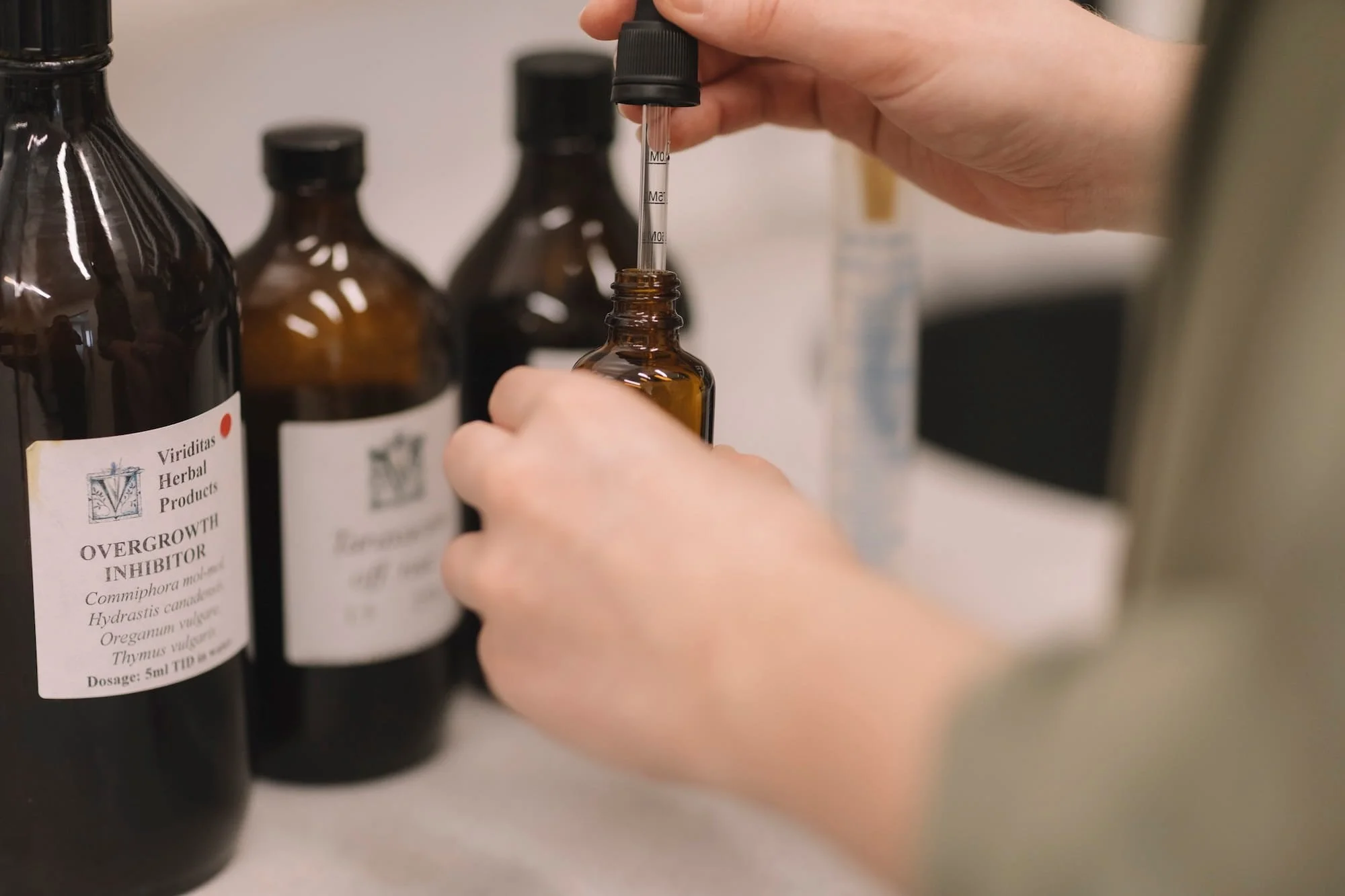
Naturopathic medicine offers a wide range of therapeutic tools to support those systems, including nutrition, botanical medicine, supplementation, lifestyle medicine, and acupuncture.
By combining these approaches, care can be both data-informed and practical, supporting long-term health while addressing the factors contributing to symptoms.
Treatment plans are always individualized and designed to support sustainable, long-term improvement.

A FOCUS ON PRACTICAL NUTRITION
Nutrition is often one of the most powerful tools in medicine.
Before studying naturopathic medicine, I trained in culinary nutrition and professional cooking. That background shapes how I work with patients today.
Rather than offering rigid diet rules, I focus on helping patients translate nutrition science into practical, realistic food choices that fit their daily lives.
Food should support health — but it should also be enjoyable and sustainable.



Dr. Megan Woroch is a naturopathic doctor practicing in Toronto at Annex Naturopathic Clinic.
She completed her Doctor of Naturopathy degree at the Canadian College of Naturopathic Medicine (CCNM) after earning a Bachelor of Arts in Global Development Studies from Huron University College.
During her clinical training, Megan completed a year-long internship at the Schad Naturopathic Clinic, where she gained additional experience working with complex chronic illness, including functional medicine cases, chronic fatigue syndrome (ME/CFS), and post-viral fatigue. She also completed an externship under the supervision of Dr. Tanya Lee, ND, at Annex Naturopathic Clinic.
In addition to her naturopathic medical training, Megan is a certified nutritional practitioner and completed a Diploma in Applied Holistic Nutrition from the Institute of Holistic Nutrition (IHN). She has also completed the coursework offered by the Institute for Functional Medicine (IFM) and is currently working toward full certification.
Megan continues to study culinary arts at George Brown College, where she takes courses through the Culinary Arts Program to further integrate practical food strategies into clinical nutrition.
She is licensed through the College of Naturopaths of Ontario (CONO) and is a member of:
• Ontario Association of Naturopathic Doctors (OAND)
• Canadian Association of Naturopathic Doctors (CAND)
Megan has also completed additional training in facial rejuvenation acupuncture and is certified as a birth doula.
EDUCATION & PROFESSIONAL BACKGROUND
About Dr. Megan Woroch, ND
Clinical Interests & Continuing Education
Megan has a particular interest in complex and chronic health concerns, including immune-related conditions, digestive health, cardiometabolic health, hormonal balance, and chronic fatigue.
She continues to pursue ongoing education in functional and integrative medicine, with a focus on understanding how systems such as the immune system, metabolism, digestive health, and the nervous system interact in chronic illness.
Her continuing education includes advanced coursework through the Institute for Functional Medicine (IFM) as she works toward full certification, along with ongoing training in nutrition, culinary medicine, and clinical practice.
This commitment to ongoing education allows her to integrate emerging research with naturopathic clinical practice while maintaining a thoughtful, evidence-informed approach to patient care.


THE PATIENT EXPERIENCE
What to Expect as a Patient
Appointments are designed to be collaborative, investigative, and educational.
Many patients arrive with complex health histories or symptoms that have evolved over time. A key part of each visit is taking the time to understand your full health timeline and how different systems in the body may be interacting.
During appointments, we focus on:
• understanding the patterns behind your symptoms
• reviewing relevant testing and clinical findings
• discussing how different systems in the body may be contributing to your concerns
• developing a treatment plan that is both evidence-informed and practical
Patients often tell me they appreciate having a clearer understanding of why certain recommendations are being made and how they support their health.
Care plans evolve over time, with follow-up visits used to review progress, interpret new information, and refine treatment strategies as needed.