AREAS OF FOCUS:
Digestive Health
Naturopathic Support for Digestive Disorders
Digestive health plays a central role in overall wellbeing.
The gastrointestinal system influences nutrient absorption, immune function, metabolism, hormone regulation, and inflammatory balance. When digestion is disrupted, it can affect many other systems in the body.
Naturopathic medicine takes a comprehensive approach to digestive concerns by identifying underlying contributors and supporting the systems that influence gut health.

Common Digestive Concerns
Digestive symptoms can vary widely and may include:
bloating or abdominal discomfort
irregular bowel movements (constipation or diarrhea)
food sensitivities
reflux or indigestion
nausea
unexplained nutrient deficiencies
Some patients have already received a diagnosis such as:
Irritable Bowel Syndrome (IBS)
Small Intestinal Bacterial Overgrowth (SIBO)
Inflammatory Bowel Disease (Crohn’s disease or ulcerative colitis)
Gastroesophageal Reflux Disease (GERD)
celiac disease or gluten sensitivity
Others experience persistent symptoms without a clear diagnosis.
A deeper evaluation can often help clarify what may be contributing to these patterns.
The Gut-Immune Connection
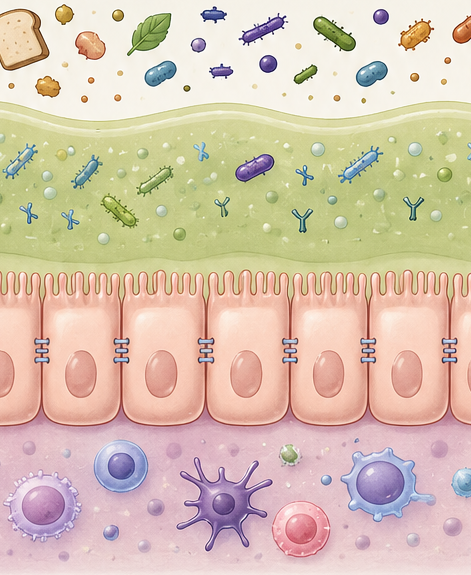
Approximately 70% of the immune system is associated with the gastrointestinal tract.
For this reason, digestive health is closely connected to many other health concerns, including autoimmune disease, mental health, chronic inflammation, hormonal changes, and metabolic health.
Factors that may influence digestive function include:
microbiome imbalance
intestinal permeability (“leaky gut”)
chronic stress
food sensitivities
infections or bacterial overgrowth
medication history
nutrient deficiencies
Understanding how these factors interact can help guide a more targeted treatment approach.
A Functional Medicine Approach
Digestive symptoms often have multiple contributing factors.
A functional medicine perspective looks at the relationship between digestion, immune function, metabolism, and lifestyle factors to identify patterns that may be affecting gut health.
This process typically begins with:
a detailed health history and symptom timeline
review of previous testing and medical history
discussion of diet, lifestyle, and environmental exposures
From there, additional testing may be recommended when it will provide useful information to guide treatment.
Testing That May Be Relevant
Testing can help clarify what may be contributing to digestive symptoms.
Depending on your health history and symptoms, this may include a combination of conventional laboratory testing and specialized functional diagnostics.
Testing may assess areas such as:
Digestive Function
Pathogen and small intestinal bacterial overgrowth (SIBO) screening
Microbiome analysis
Intestinal inflammation and immune function
Digestive enzyme activity
Short-chain fatty acid analysis
Gallbladder and liver function testing
Food Sensitivities
Some individuals experience immune reactions to certain foods that can contribute to digestive symptoms or inflammation. Screening for celiac disease, non-celiac gluten sensitivity and IgG food sensitivities may be indicated.
Nutrient Status
Digestive dysfunction can affect absorption of nutrients such as iron, B vitamins, magnesium, and fat-soluble vitamins.
Testing is used strategically to help guide treatment decisions and monitor progress.
Treatment Approach
Treatment plans are individualized and may include a combination of strategies such as:
personalized nutrition guidance
digestive support and microbiome restoration
botanical medicine
targeted supplementation
lifestyle interventions to support nervous system regulation
Megan’s background in culinary nutrition also allows her to translate clinical nutrition strategies into practical dietary approaches that fit everyday life.
When To Consider Naturopathic Support
You may benefit from naturopathic care if you:
experience ongoing digestive symptoms
have been diagnosed with IBS or another digestive condition
suspect food sensitivities or microbiome imbalance
have digestive symptoms alongside autoimmune or inflammatory conditions
want a more comprehensive evaluation of gut health
Next Steps
Digestive symptoms can have many contributing factors, and understanding the underlying patterns is often the first step toward improvement.
If you are experiencing digestive concerns and would like a comprehensive assessment of your health, naturopathic care may provide additional insight.
Additional Reading