
Akkermansia muciniphila: Why This Microbe Matters More Than You Think
Written by Dr. Megan Woroch, ND
Naturopathic Doctor in Toronto, Ontario
Published: January 11, 2026 · Updated: September 15, 2026
What is Akkermansia muciniphila?
Akkermansia muciniphila is a species of bacteria that naturally lives in your gut, specifically in the mucus layer lining your intestinal wall. In healthy adults, it accounts for about 1–5% of the total gut microbiome (1).
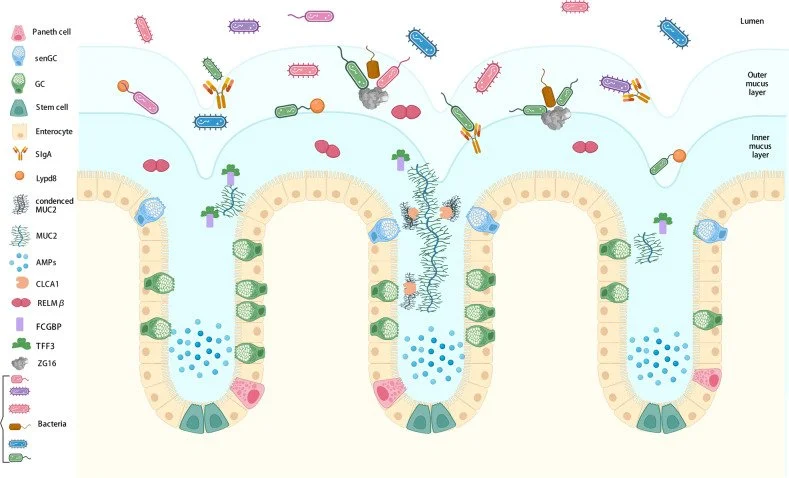
Unlike probiotics like Lactobacillus or Bifidobacterium, which live in the gut lumen (the open space inside the intestine), Akkermansia lives closer to the mucosal surface (2). This is the site for immune signalling, nutrient exchange, and microbial communication.
The name itself gives you a clue:
Akkermansia — named after microbiologist Antoon Akkermans
muciniphila — literally “mucin-loving.” This means the bacteria actually eat the mucin layer lining the GI tract, triggering regeneration and ongoing mucin production.
How Akkermansia Works
1. It feeds on mucus — and strengthens the gut lining
When Akkermansia eats the mucin in your gut lining, it stimulates goblet cells to produce more mucus. That means a thicker, more resilient protective layer. This mucus layer is critical; it’s the first line of defence between the outside world and your internal immune system and bloodstream (2).
2. It produces beneficial metabolites
As it digests mucin, Akkermansia produces short-chain fatty acids (SCFAs) such as propionate and butyrate. SCFAs are like fuel for your colon cells and have powerful anti-inflammatory and metabolic effects (3).
3. It influences hormones and metabolism
Metabolites from Akkermansia can increase the release of hormones such as GLP-1, which helps regulate insulin, improve glucose tolerance, slow gastric emptying, and even affect brain appetite signals (4).
Health Impacts of Akkermansia
Gut Barrier Integrity (“Leaky Gut” Prevention)
A strong mucus layer helps tighten the junctions between intestinal cells, keeping harmful substances out of the bloodstream and reducing systemic inflammation (2).
Metabolic Health
Higher levels of Akkermansia are associated with:
Better insulin sensitivity (5)
More favourable blood glucose control
Lower inflammation
Weight Regulation
Through its impact on SCFAs and GLP-1, Akkermansia influences satiety, hunger, and energy metabolism, all of which can support fat-loss efforts (5).
Immune Function
Because it sits right at the gut–immune interface, Akkermansia contributes to balanced immune signalling and may influence autoimmune and inflammatory responses (6). Emerging research shows correlations with conditions ranging from IBD to even cancer therapy responses, though this is still early.
Can You Boost Akkermansia?
Short answer: yes — but it’s not as simple as swallowing a pill.
1. Diet
Foods that tend to support Akkermansia include those rich in:
Prebiotic fibres (to feed good bacteria), specifically inulin and fructooligosaccharides (FOS) (e.g., garlic, onions, asparagus), resistant starches (e.g., cooked and cooled grains, unripe bananas), beta-glucans (e.g., oats, barley, mushrooms), pectins (e.g., apples, citrus fruit)
Polyphenols such as anthocyanins (e.g., berries, purple cabbage), ellagitannins (e.g., pomegranates, walnuts), catechins (e.g., green tea, dark chocolate), flavonols (e.g., onions, leeks, broccoli, kale, apples), stilbenes and resveratrol (7).
These substrates help create the right environment for Akkermansia to thrive.
2. Probiotic Supplements
Until recently, Akkermansia wasn’t available as a probiotic.
Delivery matters. Because Akkermansia is anaerobic and sensitive to stomach acid, formulations with acid-resistant capsules or paired with prebiotics, such as inulin, are important.
3. Lifestyle Factors
Fasting and time-restricted eating may also support Akkermansia populations by giving them more access to the mucus layer when the small intestine is empty, but individual responses vary (8).
Akkermansia muciniphila is more than just a trendy gut bacteria, it’s emerging as a cornerstone of gut barrier health and metabolic regulation. Its unique interactions with your mucus layer, the production of beneficial metabolites, and its effects on hormonal signalling make it a compelling target for health optimization.
But remember: you don’t fix your microbiome with a single strain. Diet quality, fibre intake, polyphenols, lifestyle factors, and overall microbial diversity all matter.
Dr. Megan Woroch, ND, is a Toronto-based naturopathic doctor with a focus on digestive health, immune and environmental health, and root-cause approaches to chronic health concerns. She uses evidence-informed naturopathic medicine, clinical nutrition, functional testing, and individualized supplementation to support her patients.
Learn more about a naturopathic approach to digestive health.
Disclaimer: This information is for educational purposes only and is not intended to provide or replace medical advice, diagnosis, or treatment. Always consult your qualified healthcare provider for individualized recommendations.